
Cooperation is the lifeblood of industrial design firms
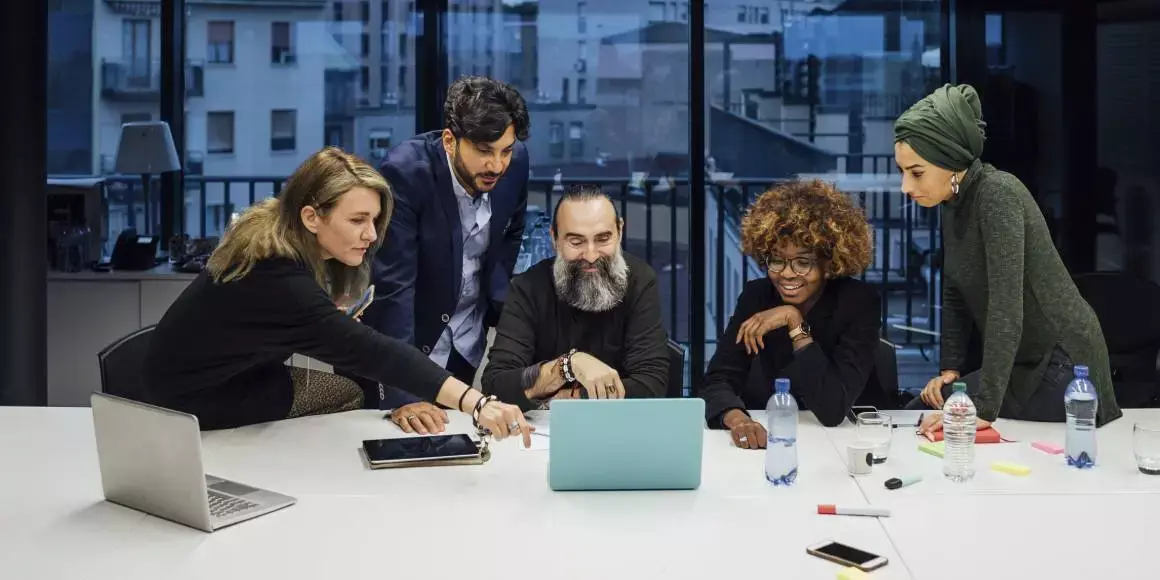
In the realm of industrial design, the days of lone creators working away in labs are long gone. Making creative, market-ready products these days is hardly the job of one person. Rather, it is a team effort driven by cooperation among several experts who contribute their special viewpoints. Cooperation is the lifeblood of the whole process.
Industrial design firms like Mindsailors serve as the center where strategic vision, technical knowledge, and artistic expression mix. These facilities create environments that support open communication, group problem-solving, and a concentration on shared objectives rather than only physical locations. Studios guarantee that every element of a product's development is harmonically addressed by grouping industrial designers, engineers, and electronics developers under one roof.
As so? Products that effortlessly combine form and function often surpass consumer expectations and go beyond simple need. Working together guarantees early identification of possible roadblocks— mechanical, electronic, or aesthetic—and their multidisciplinary resolution. Cooperation is not optional in this competitive, fast-paced environment; it is necessary for the next great product.
Among the main players in the design process are who?
Any effective product design is fundamentally based on a team of experts, each with particular knowledge to contribute to a given puzzle. These players interact in industrial design studios to create a coherent vision that propels the product ahead, not working in a vacuum.
Often the first to make their mark, industrial designers shape the look and useability of a product. They model, sketch, and polish the first idea so it not only looks great but also offers a simple and pleasurable user experience. Deep awareness of human behavior and aesthetic trends shapes their work.
Mechanical engineers help to close the difference between idea and reality. They guarantee that the good can be produced quickly and is structurally sound. Whether it's creating complex mechanical systems or streamlining manufacturing, their efforts are vital in turning ideas into actual products.
Particularly in consumer electronics, electronics developers add still another degree of complication. From embedded software to PCB design, they guarantee that the technology running the product runs perfectly inside its physical limitations. Their cooperation with mechanical engineers and industrial designers guarantees that the technical elements fit exactly the design.
Key roles also belong to business strategists and market analysts who make sure the product satisfies consumer needs and fits the objectives of the client. They reveal information on target markets, pricing policies, and competitive environments, so influencing the commercial success of the product.
When these professionals actively cooperate rather than merely coexist, magic results. The elegant design could motivate an engineer to rethink a mechanism, or the market insight of a strategist could improve the feature set of the product. The final design is improved by this interaction of ideas motivated by several points of view.
Why is teamwork so successful in design studios?
In industrial design offices, cooperation thrives on a mix of disciplined procedures and artistic freedom. It's about creating an environment where their combined efforts result in something more than what any one person could accomplish, not only about grouping brilliant people in the same room. What then makes teamwork in these companies so successful?
Industrial design offices make use of tools and approaches that support smooth teamwork. For instance, CAD programs let engineers and designers work on the same model so that aesthetic concerns complement functional needs. Early visualizing and testing of ideas made possible by rapid prototyping helps teams to see possible problems and cooperatively hone solutions.
Many studios center the design thinking approach, which stresses iteration and user-oriented problem-solving, as their framework. Teams can match their activities around user needs by navigating stages of empathizing, ideating, prototyping, and testing. This process guarantees ongoing feedback, so enabling every department—from engineering to business strategy—to have a voice in improving the product.
Open channels of communication foster cooperation since free flow of ideas. Frequent team meetings, brainstorming sessions, and cooperative seminars guarantee that every interested party is in agreement. Digital project management tools are used by many studios to monitor development and guarantee responsibility, so reducing misunderstandings and delays.
Most importantly, industrial design firms foster a culture in which innovative ideas are appreciated and supported. The outcomes can be revolutionary when engineers are free to test unusual solutions and designers feel free to offer audacious ideas.
Design studios can realize creative ideas by means of this mix of structure and inventiveness. Whether it's redesigning a well-known product or creating whole new technologies, the success of teamwork in these environments comes from their capacity to combine many knowledge under a common vision.
In what ways might cooperation turn difficulties into opportunities?
Whether it's locating the appropriate materials, fitting advanced electronics into a small form, or satisfying strict deadlines, every product development path is fraught with difficulties. These challenges may seem insurmount on their own, but in a team environment they usually present chances for creativity.
One of the most important benefits of teamwork is the capacity to dissolve silos between fields, so addressing difficult problems. For instance, a mechanical engineer might first object about structural integrity if an industrial designer suggests a sleek, simple design. Rather than giving up on the concept, the team might discuss ideas together including creative assembly methods or alternative materials. This synergy not only fixes the issue but often produces a more polished product.
Teams that engage in iterative problem-solving cooperation can approach tasks repeatedly. Early-stage prototypes might expose design flaws or usability problems, but teams see these as teaching moments rather than as failures. Working together, designers, engineers, and developers change the design, test new ideas, and hone the product until it satisfies both aesthetic and functional criteria.
In group environments, constraints—such as limited budgets or strict production schedules—often inspire creative thinking by means of their challenge. Electronics developers closely collaborating with mechanical engineers, for instance, may find creative means to cut component count, so saving time and money without sacrificing quality. Only when teams are aligned and striving toward a common goal will this kind of ingenuity be possible.
Real-time problem mitigating in a studio environment means that problems don't have to become fully blown crises. Problems can be solved in real-time when everyone lives under one roof—or is linked via cooperative tools. Whether it's a last-minute change to a prototype or a design direction pivot, the team makes sure that quick and efficient answers result.
In industrial design offices, obstacles are seen as chances to push limits and produce something remarkable rather than roadblocks. Studios like Mindsailors turn challenges into stepping stones toward revolutionary products by embracing teamwork.
Can multidisciplinary teams produce something more than the sum of their components?
In an industrial design studio, the outcomes when multidisciplinary teams gather can be quite remarkable. Every field offers a different viewpoint, and when these viewpoints collide, they produce a synergy that fuels invention. This is the core of the reason teamwork is transforming rather than merely helpful.
Although a sleek design will grab attention, it will not succeed without functional integrity. Working together, engineers and industrial designers make sure that performance never suffers in order of beauty. For instance, an engineer might hone a minimalist, ergonomic form to guarantee durability or manufacturability while a designer might have different ideas. This back-and-forth results in a visually arresting and useful product.
In projects involving consumer electronics, cooperation between electronics developers and designers can redefine what's feasible. Modern technologies such as tiny sensors or creative power sources may be brought by developers and inspire the design team to rethink form factors and user interactions. This interaction guarantees the product to be technologically sophisticated and user-friendly.
User-Centric Solutions Using Unified Expertise Cross-disciplinary teams also shine in their user experience prioritizing ability. Although designers might concentrate on usability and aesthetics, engineers and business strategists bring value by addressing functionality and market needs. Together, they create answers that surpass rather than merely meet consumer expectations.
The beauty of teamwork is that it is exponential rather than only additive. The bold idea of a designer might inspire an engineer's technical innovation, which would then inspire a fresh feature recommended by the corporate team. Industrial design firms can produce goods that feel modern, fresh, and ahead of their time by means of this domino effect of creativity.
Cross-disciplinary teams really produce something more than the sum of their components by combining strategy, technology, and design. Products that result are unique on the market, delight consumers, and establish fresh design and innovation standards.
When teamwork fails, what happens and how might it be corrected?
Cooperation in even the most orderly industrial design offices has certain difficulties. Conflicting views, poor communication, or mismatched priorities can all cause a project to fail or endanger its success. On the other hand, knowing these traps and acting early on will help to transform a possible failure into a useful teaching moment.
One of the most often occurring teamwork breakdowns results from inadequate communication. Inaccurate expectations or wasted resources can follow from designers, engineers, or developers failing to precisely express their needs or constraints. A designer might unintentionally generate a concept, for instance, that is beyond the reach of the manufacturing process. Studios stress open, constant communication between teams and use centralized project management systems to help to avoid this.
Divergent Goals Between Disciplines Team members often have different priorities; designers might give aesthetics top priority, engineers might stress functionality, and strategists would stress market viability. If not resolved early, these conflicts can stop development. Developing a shared vision at the beginning of the project will help all the participants to agree on the main goals and limitations.
Especially when unanticipated difficulties develop, tight budgets or deadlines can cause strain on group efforts. Agile workflows adopted by industrial design studios help teams to react fast and concentrate resources on the most important chores, so mitigating this. Furthermore ensuring effective allocation of resources are regular progress reviews and cross-disciplinary checks.
Eventually, the success of cooperation depends on the culture of the studio. Many problems can be avoided before they start in a supportive atmosphere whereby every team member feels appreciated and heard. Mindsailors among other studios support this by stressing openness, honoring achievements, and group learning from mistakes.
Although cooperation may not always be flawless, even failed events can improve the team and result from the correct strategies and mindset. Industrial design offices can keep momentum and produce outstanding products by facing obstacles squarely.
From accomplished cooperative design projects, what lessons might we draw?
Real-world case studies of effective cooperation show the transforming potential of industrial design team work. These initiatives show how multidisciplinary efforts might overcome obstacles, inspire creativity, and produce market-ready, long-lasting products.
Harmonizing Design and Technology Imagine a consumer electronics device created by a studio like Mindsailors where form and function needed to coexist peacefully. Although the first design idea might have given sleekness and portability top priority, including the required electronics presented a major obstacle. Working together, designers and electronics developers optimized internal layouts, cut component sizes, and kept the product's aesthetic integrity. The end product was one that satisfied technical criteria as well as user expectations.
Values from Cooperation
Effective projects usually begin with a clear and consistent vision. Every team member guarantees alignment from day one by knowing the needs of the user, the goal of the product, and the market objectives.
Early and frequent prototyping helps teams to find and fix problems cooperatively, so transforming possible setbacks into chances for improvement.
Respect among team members drives innovation since it facilitates the sharing of ideas when one respects the knowledge of another. This transparency encourages innovation and results in answers perhaps not otherwise possible.
A breakthrough product not only helps its consumers but also improves the cooperative procedures in the studio. Effective projects show what is feasible when many talents collaborate and act as models for next projects. They inspire teams, build faith in the studio, and confirm its leadership in the business.
Mindsailors and other studios depend on these cooperative success tales. Every project presents a chance to improve their methodology, challenge limits, and underline the fact that excellent design is always a team effort. .
How might teamwork define industrial design going forward?
Cooperation in industrial design will be even more important as technology develops and market needs get ever more complicated. Product development's future will rely on studios' capacity to modify their procedures, apply new technologies, and solve worldwide issues by means of group efforts and creativity.
The emergence of remote work and virtual collaboration tools is changing the way industrial design offices run in relation to the global design network. Real-time 3D modeling, shared prototyping, and instant feedback loops on platforms breaking geographical boundaries let studios assemble worldwide teams of experts. This change creates fresh chances for combining specialized knowledge, promoting international creativity, and quickening project schedules.
Artificial intelligence is fast taking front stage as a creative partner in the design process. Tools driven by artificial intelligence can help with user data analysis, manufacturing constraint simulation, and design alternatives creation. AI helps teams to concentrate on creativity and problem-solving by managing repetitious tasks, so enhancing human ingenuity rather than substituting it. Under the direction of seasoned companies, this technology becomes a potent tool for innovation.
Cooperation for a Sustainable Future is now a need rather than a choice. From choosing environmentally friendly materials to planning energy-efficient manufacturing techniques, teams must cooperate to include sustainable practices into every stage of product development. Design firms that embrace teamwork can produce ethical and environmentally conscious solutions as well as beautiful and useful ones.
The Power of Cross-Industry Expertise Growing trend in industrial design towards cross-industry cooperation will define the field in future. Imagine consumer electronics using industrial products leveraging automotive sector innovations or including healthcare technologies. These cross-roads of knowledge will redefine what is feasible, stretching the bounds of creativity and producing goods fit for a society growing more linked by the day.
One thing is certain as the field of industrial design changes: the need of efficient, multidisciplinary cooperation stays constant. Mindsailors and other studios that offer the knowledge required to negotiate complexity thrive at the nexus of creativity, technology, and strategy. Working with a team that recognizes the value of teamwork will make all the difference whether you are creating a novel consumer electronic device or addressing a difficult mechanical engineering challenge.
Contact Mindsailors professionals to realize your vision with the support of a creative and experienced team. Their cooperative approach guarantees that every feature of your product is carefully crafted, skillfully engineered, and ready for the market.


Schedule an initial talk and get to know us better! You already have a basic brief? Send it over so we can have a more productive first meeting!
a meeting
