
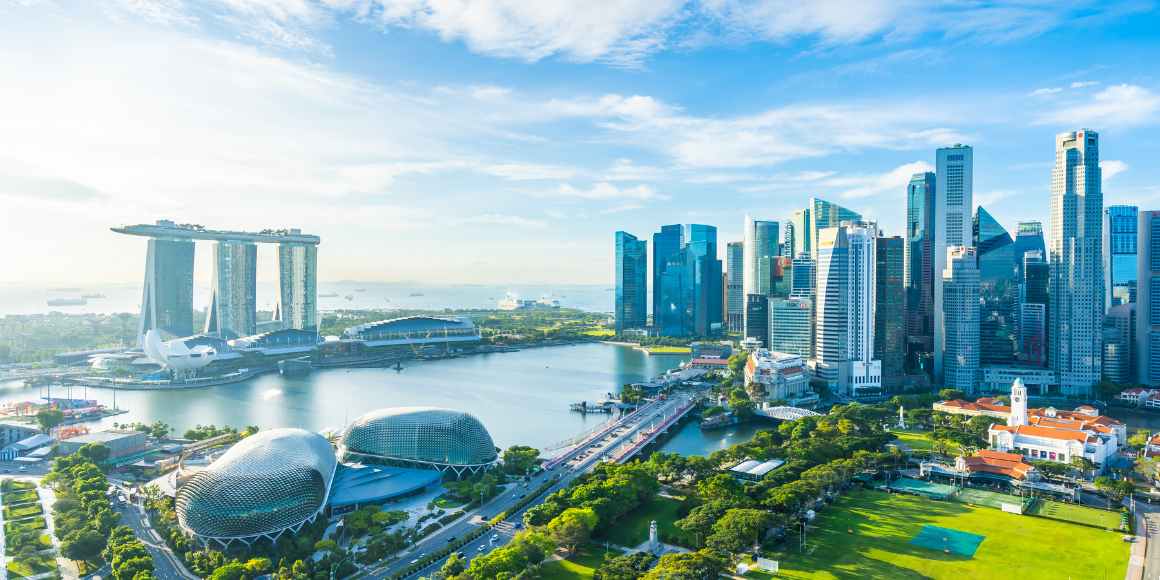
Cities across Southeast Asia are expanding at a pace that is reshaping urban life. This growth brings clear economic momentum, yet it also places increasing pressure on infrastructure and the surrounding environment. As a result, urban planners now face the complex task of ensuring that development remains liveable and efficient while responding to climate risks and long-term sustainability demands.
Green urban planning has emerged as a practical response, guiding development towards greater resilience. The rising use of sustainable building materials reflects this shift, signalling a broader effort to reduce the environmental impact of urban expansion from the ground up. At the same time, technological advancement is transforming how cities are designed and managed, enabling more precise and responsive planning.
In light of these developments, this article examines how green urban planning is helping SEA cities align growth, innovation, and sustainability in a more deliberate way.
Designing High-Density Cities That Still Work
While urban density remains a defining feature of Southeast Asian metropolises, it does not inevitably mean overcrowding or inefficiency. With clear planning principles, density can support accessibility and reduce the need for long commutes. Mixed-use developments bring residential, commercial, and social functions into closer proximity, allowing neighbourhoods to operate more efficiently while maintaining a sense of cohesion.
Singapore’s long-term planning model illustrates how density can be structured rather than reactive. By aligning land use with transport infrastructure and public amenities, the city has created districts that function effectively even as population density increases. Technology reinforces this framework by providing insights into movement patterns and infrastructure use. These insights enable planners to refine transport systems and public spaces in response to real-world behaviour. When density is guided by both design and data, cities can expand in ways that remain organised and liveable.
Embedding Green Infrastructure into the Urban Core
Even well-designed density needs to address the environmental pressures that come with it. Fast-growing cities across the region are therefore beginning to treat greenery not as a secondary feature, but as a core element of urban systems. In Singapore, for instance, the National Parks Board’s “City in Nature” initiative expands green corridors and introduces biodiversity into densely built areas as part of a broader planning strategy.
These interventions do far more than soften the visual character of a city. They help lower heat retention in built-up districts and support better air quality, while also easing pressure on drainage systems during periods of heavy rainfall. Features such as rooftop gardens and permeable surfaces make this approach especially valuable in dense environments, where land is limited and each design choice must work harder.
To sustain these benefits, cities are turning to environmental monitoring tools that keep green infrastructure effective over time. Sensors that track heat, rainfall, and soil conditions allow planners to refine maintenance and improve design decisions with greater precision. This combination of ecological planning and digital oversight makes sustainability efforts more adaptive, especially in urban areas where every intervention needs to perform reliably.
Building Smarter with Sustainable Materials and Methods
As cities rethink the role of green infrastructure, attention also turns to the materials and methods shaping the built environment. Construction remains a major driver of urban growth, which makes it a critical area for improving sustainability outcomes. Developers are increasingly looking beyond speed and cost to consider the long-term environmental impact of their projects.
In Malaysia, the Green Building Index provides a framework that encourages more environmentally responsible design and construction choices. This rating system guides how buildings are planned and executed, ensuring sustainability is considered from the outset rather than introduced as an afterthought. Modular construction and prefabrication are also gaining traction across the region, allowing projects to minimise on-site disruption while improving consistency. When paired with the use of sustainable building materials, these approaches create structures that are better suited for long-term urban use. The result is a modern landscape that supports growth without compromising environmental responsibility.
Powering Cities Through Smart Energy Systems
Building more sustainably is only part of the equation, since growing cities must also find cleaner and more efficient ways to meet rising energy demand. Green urban planning addresses this by promoting systems that use energy more efficiently while integrating renewable sources. In Southeast Asia, solar installations are becoming more common, supported by policies that encourage cleaner energy adoption.
Smart grids and automated building systems further enhance efficiency. These technologies can adjust energy use based on real-time conditions, reducing waste without affecting comfort. Buildings equipped with intelligent networks can regulate lighting and cooling according to occupancy and environmental factors. This level of control supports both sustainability goals and operational cost savings.
Using Technology and Community Input to Guide Urban Growth
Beyond infrastructure and energy, urban development becomes most effective when it reflects the specific needs of the population. Across Southeast Asia, there is growing recognition that sustainable cities require active participation from residents to ensure planning decisions remain practical. Community input provides the necessary context that keeps high-level strategy relevant to daily life.
Technology has made civic engagement more accessible by opening new channels for residents to share feedback, join consultations, and stay informed about urban initiatives. These platforms also create a space for dialogue where lived experience complements professional expertise. For planners, aggregated data sharpens insights into community needs while direct participation builds trust in the development process. Together, these elements create a responsive approach to urban growth, where sustainability is shaped by both technical expertise and real-world experience.
Looking Ahead
Green urban planning in Southeast Asia continues to evolve as cities adapt to changing demands and emerging technologies. The real opportunity now lies in using that progress to guide growth that remains efficient, sustainable, and responsive to everyday needs. How cities apply these ideas in practice will determine whether future development genuinely improves quality of life across the region in ways that are both resilient and inclusive.




Schedule an initial talk and get to know us better! You already have a basic brief? Send it over so we can have a more productive first meeting!
a meeting
