
The Dawn of Personalized Medicine: How AI is Revolutionizing Medical Device Design
Artificial intelligence (AI) is rapidly transforming the medical device landscape, ushering in an era of personalized medicine. Through advanced data analysis and adaptive design capabilities, AI is enabling the creation of medical devices tailored to individual patient needs, promising improved outcomes and a more patient-centric approach to healthcare. This article explores how AI is driving this personalization revolution in medtech.
Data Integration and Analysis: Building Comprehensive Patient Profiles
AI's ability to integrate and analyze vast amounts of data is fundamental to its role in personalized medicine.
Patient-Specific Processing: AI algorithms can process multiple data types to create comprehensive patient profiles. This includes:
- Genetic Information: Analyzing genetic data can reveal predispositions to certain conditions and inform treatment decisions.
- Medical Records: AI can extract valuable insights from electronic health records, including patient history, diagnoses, and treatments.
- Imaging Data: AI can analyze medical images, such as CT scans and MRIs, to create detailed anatomical models.
- Wearable Device Readings: Data from wearable devices, such as fitness trackers and smartwatches, can provide real-time information on patient activity levels, vital signs, and sleep patterns.
- Lifestyle Factors: AI can incorporate lifestyle factors, such as diet and exercise habits, into patient profiles to provide a more holistic view of health.
Real-Time Adaptation: Smart devices equipped with AI can continuously learn from patient data, enabling dynamic adjustments to treatment parameters and improving effectiveness over time. This allows for personalized treatment plans that adapt to the individual's response.
Design Customization: Tailoring Devices to the Individual

AI is enabling the creation of customized medical devices that are optimized for individual patients.
Anatomical Optimization: AI algorithms generate customized device designs by:
- Creating Patient-Specific Prototypes: AI can create patient-specific prototypes based on medical imaging, allowing for precise design and fit.
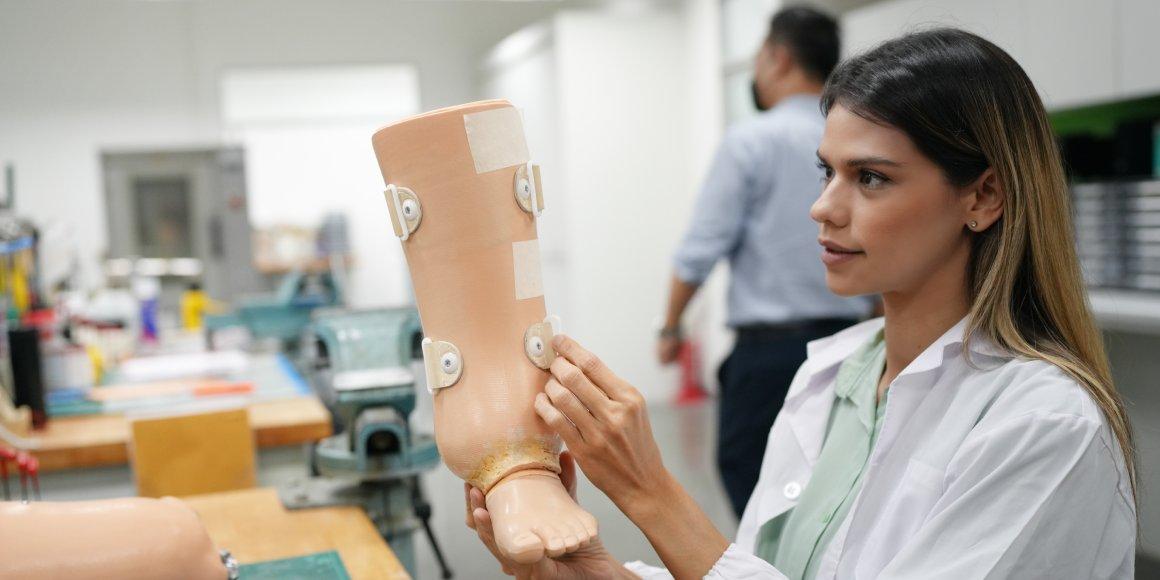
- Optimizing Device Dimensions: AI optimizes device dimensions for individual anatomies, ensuring a perfect fit for implants and prosthetics.
- Ensuring Perfect Fit: This personalized approach ensures a perfect fit for implants and prosthetics, leading to improved comfort, functionality, and integration.
Performance Enhancement: AI improves device functionality through:
- Adaptation to Individual Movement Patterns: AI-powered devices can adapt to individual movement patterns, optimizing performance and reducing strain.
- Optimization of Mechanical Properties: AI can optimize the mechanical properties of devices to meet the specific needs of the individual.
- Reduction of Complications: Better anatomical matching through AI-driven design can significantly reduce the risk of complications .
Clinical Impact: Transforming Patient Care
The impact of AI-driven personalization is being felt across various clinical applications.
Improved Outcomes: AI-driven personalization has demonstrated significant benefits, including:
- Enhanced Surgical Success Rates: Personalized surgical planning and customized devices can enhance surgical success rates.
- Faster Recovery Times: Personalized treatment plans and optimized devices can lead to faster recovery times.
- Better Device Integration: AI-designed devices often integrate more seamlessly with patient anatomy, improving functionality and comfort.
Monitoring and Adjustment: AI-enabled devices provide:
- Continuous Health Monitoring: AI-powered devices can continuously monitor patient health, providing valuable data to healthcare providers.
- Real-Time Feedback: These devices can provide real-time feedback to healthcare providers, enabling timely interventions.
- Adaptive Treatment Modifications: AI can enable adaptive treatment modifications based on patient response, ensuring optimal care.
Future Development: The Continued Evolution of Personalized Medicine
The capabilities of AI in personalized medicine are constantly evolving.
Advancing Capabilities
Future developments include:
- Integration of Multimodal AI Models: Integrating multimodal AI models will allow for the analysis of diverse data types, leading to more comprehensive patient profiles.
- Enhanced Data Processing Capabilities: Continued advancements in data processing will enable faster and more efficient analysis of patient data.
- Improved Prediction Accuracy: AI is constantly improving its ability to predict patient outcomes, enabling more proactive and personalized interventions.
Conclusion: A Paradigm Shift in Healthcare
AI is driving a paradigm shift in healthcare, moving away from one-size-fits-all solutions toward truly individualized medical devices and treatment plans. This personalization approach promises to improve patient outcomes, enhance the efficiency of healthcare delivery, and usher in a new era of patient-centric care. As AI technology continues to advance, its impact on personalized medicine will only grow, transforming the future of healthcare.
Are you looking for Medical Device Design experts?
Here we are! Our company has 20 years of experience with several notable design awards to our name, specifically for MedTech products.
If you're interested in getting to know how we can help you schedule an online call a contact us via this contact form.




Schedule an initial talk and get to know us better! You already have a basic brief? Send it over so we can have a more productive first meeting!
a meeting
