
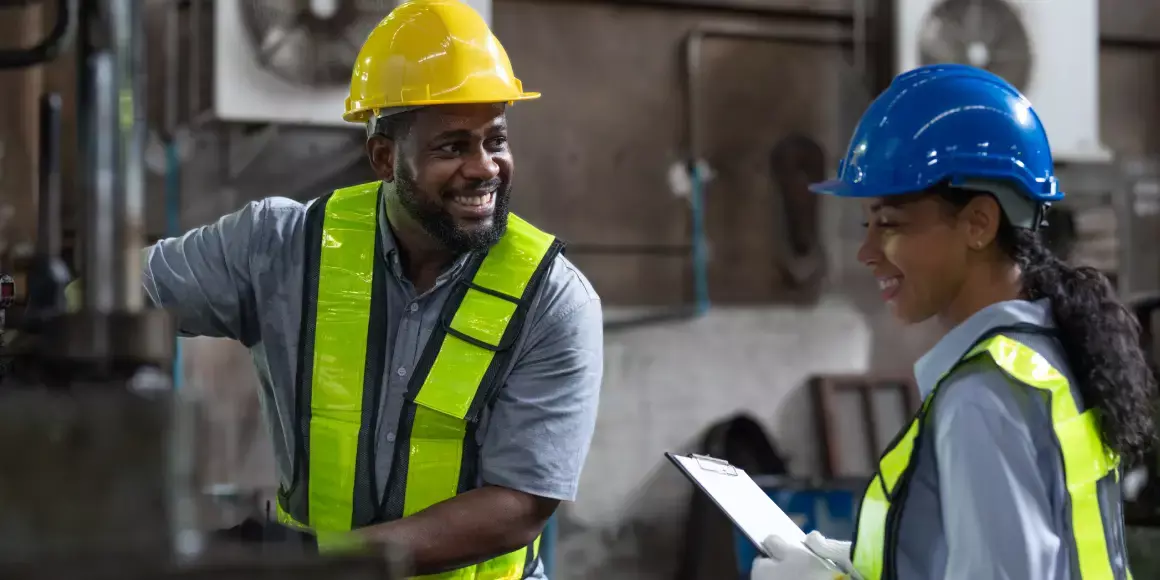
Manufacturing excellence is not just about efficiency, cost-effectiveness, and product quality. To achieve sustained success, manufacturers must also prioritize safety standards within their operations. Safety is integral to a productive and efficient workplace, as it safeguards employees, prevents accidents, and ensures a smooth, continuous workflow. Let’s explore how manufacturing companies can achieve excellence by embedding robust safety standards into their operations.
1. Establish a Safety-First Culture
A key component of achieving manufacturing excellence is cultivating a safety-first culture across all levels of the organization. This involves ensuring that safety is a fundamental part of the company’s values and mission, rather than being viewed as an afterthought or secondary priority. Leaders should promote open communication about safety, provide training programs, and empower employees to speak up about unsafe practices. When safety is prioritized at every level, from executives to factory floor workers, it becomes ingrained in the daily operations of the business.
2. Implement Comprehensive Safety Training Programs
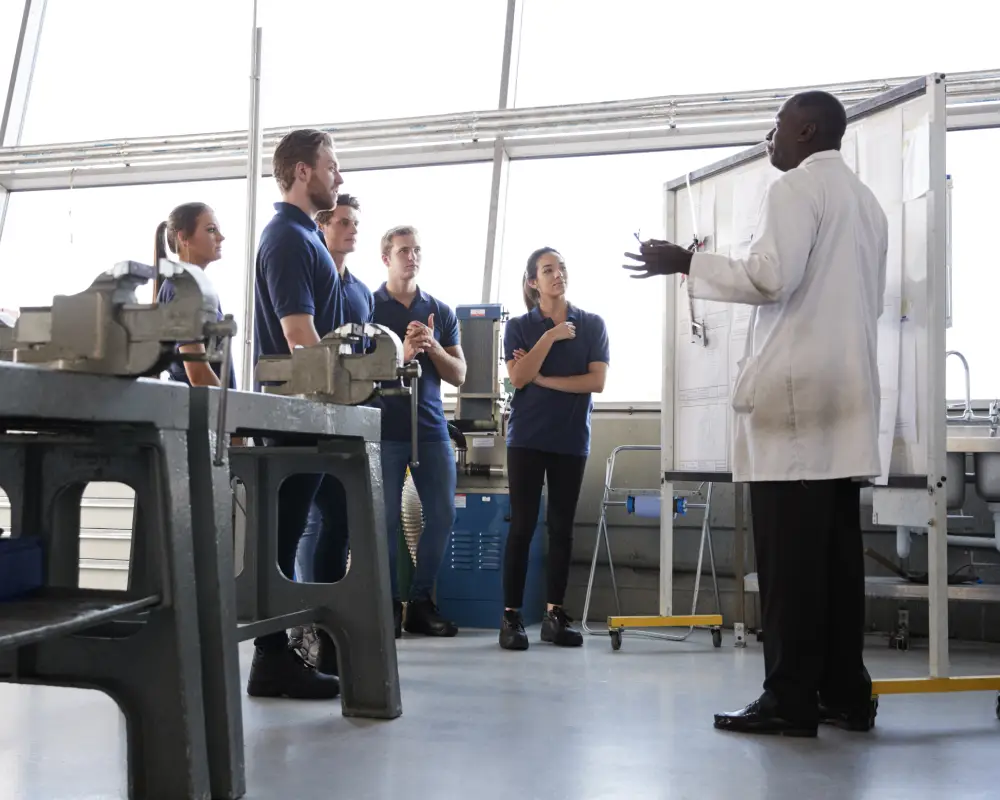
Manufacturers need to implement comprehensive safety training programs that are updated regularly to reflect changes in procedures, technology, and regulations. Workers should be trained on how to properly use equipment, recognize hazards, and follow safety protocols. These training sessions should be tailored to the specific roles and environments within the company to ensure they are relevant and effective. To ensure compliance with industry safety standards, manufacturers can seek the expertise of ISNetworld Safety Consultants, who can assist with navigating the complex requirements and improving overall safety performance.
Furthermore, it's crucial to evaluate the effectiveness of these training programs and adjust them as necessary. Assessing employees’ knowledge through quizzes, simulations, or drills can help identify any gaps in their understanding and provide opportunities for improvement.
3. Regularly Review and Update Safety Standards
Manufacturing processes are constantly evolving, so safety standards should be updated regularly to reflect the latest industry regulations, technological advancements, and lessons learned from previous incidents. Conducting regular safety audits and reviews helps identify areas for improvement. This might involve reviewing equipment safety features, production line ergonomics, or even updating emergency response plans.
Additionally, working with regulatory bodies and staying informed about safety laws can help ensure compliance and mitigate legal risks.
4. Invest in Safety Technology and Equipment
Investing in modern safety technology and equipment can significantly improve workplace safety and enhance manufacturing excellence. Automation, for example, can reduce human error by taking over dangerous tasks, allowing workers to focus on more critical, less hazardous tasks. Advanced machinery with built-in safety features such as emergency stop buttons, automatic shut-off systems, and safety shields can prevent accidents.
In addition to machinery, incorporating real-time monitoring tools can help track environmental conditions like temperature, humidity, and air quality to ensure the workplace remains safe. Providing employees with personal protective equipment (PPE), such as helmets, gloves, or respiratory gear, is also an essential step in safeguarding their health and well-being.
5. Foster a Continuous Improvement Mindset
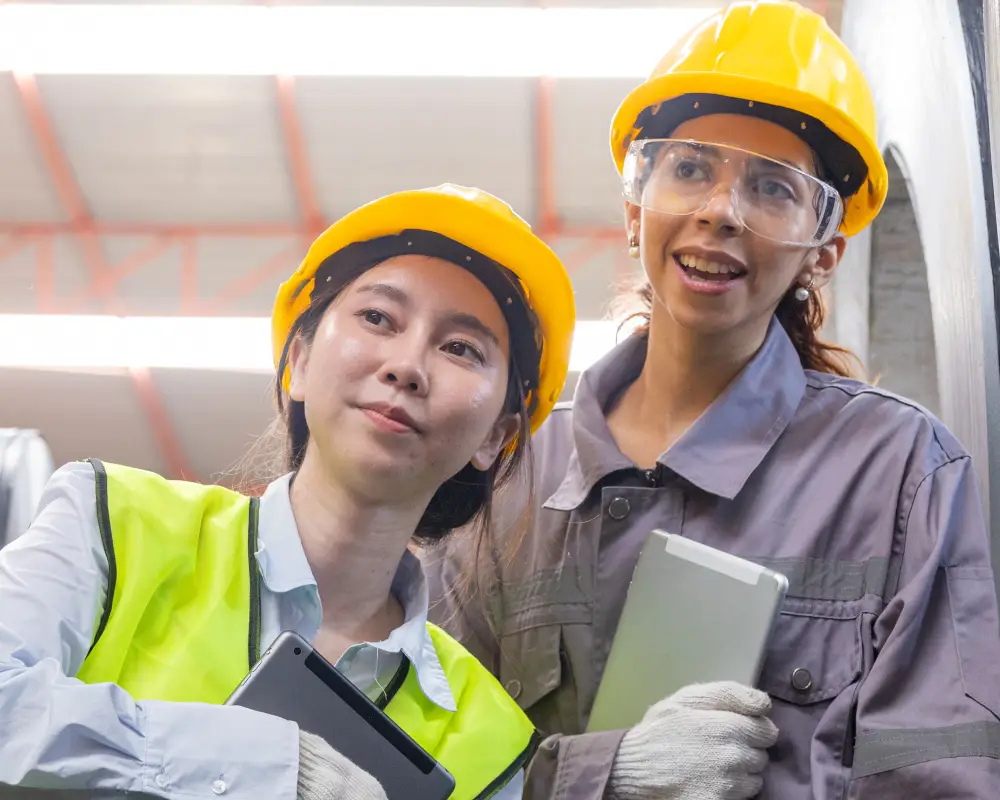
Achieving manufacturing excellence with safety standards is an ongoing journey. To maintain and enhance both productivity and safety, manufacturers must embrace a continuous improvement mindset. This involves seeking out innovative safety practices, embracing feedback from employees, and fostering collaboration to solve safety-related challenges.
This shared responsibility for safety leads to a more proactive approach to preventing accidents and creating a safer working environment.
Conclusion
Manufacturing excellence can only be achieved when safety is treated as a critical, non-negotiable aspect of operations. By establishing a safety-first culture, providing ongoing training, regularly reviewing and updating safety standards, investing in safety technology, and fostering a mindset of continuous improvement, manufacturers can create a workplace where safety is paramount. This not only protects employees but also enhances productivity, reduces downtime, and contributes to long-term business success.




Schedule an initial talk and get to know us better! You already have a basic brief? Send it over so we can have a more productive first meeting!
a meeting
