
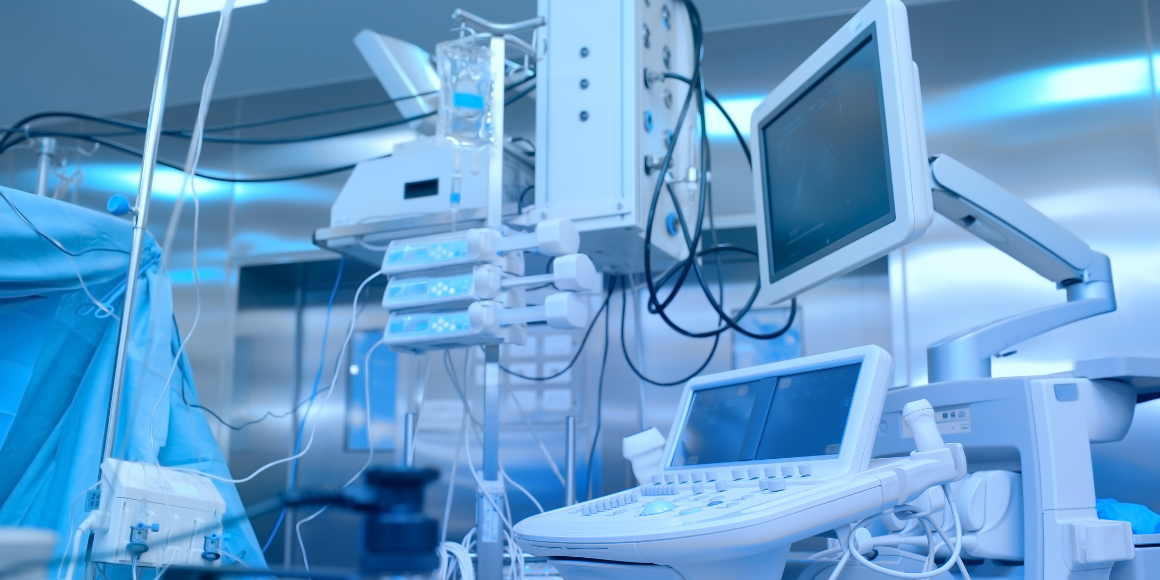
Medical device design is a discipline at the intersection of engineering, medicine, and industrial design, requiring not only technical expertise but, above all, a deep understanding of the clinical context and user needs. In 2025, the MedTech industry faces unique challenges - from growing regulatory complexity, through the digital revolution and artificial intelligence, to the pressure for sustainable development. The specific nature of this field lies in the need to maintain a balance between innovation and safety, between functionality and usability, between efficiency and ethical responsibility.
The user at the center of the design process
The foundation of contemporary medical device design is user-centered design (UCD), which places the user - doctor, nurse, technician, and, above all, the patient - at the center of every design decision. This is a radical departure from the traditional, technocratic approach, in which engineers designed devices based on their own assumptions about user needs.
Human factors engineering focuses on the interactions between humans and devices, analyzing how users perceive information, interpret it, make decisions, and manipulate the device. In medicine, where errors can cost lives, designing to minimize the risk of user error is not only good practice but also a regulatory requirement. The FDA (in its 2016 guidelines "Applying Human Factors and Usability Engineering to Medical Devices") and the EU MDR regulations require manufacturers to document their UCD processes and conduct detailed usability testing - both formative and summative.
It's worth noting that in the medical context, the concept of "user" is particularly broad. Service design - an approach that considers the entire healthcare ecosystem - reminds us that a medical device operates in a complex environment where cleaning staff, service technicians, administrators, and caregivers also interact with the product. Therefore, holistic design must consider the needs of all stakeholders.
A maze of regulatory requirements
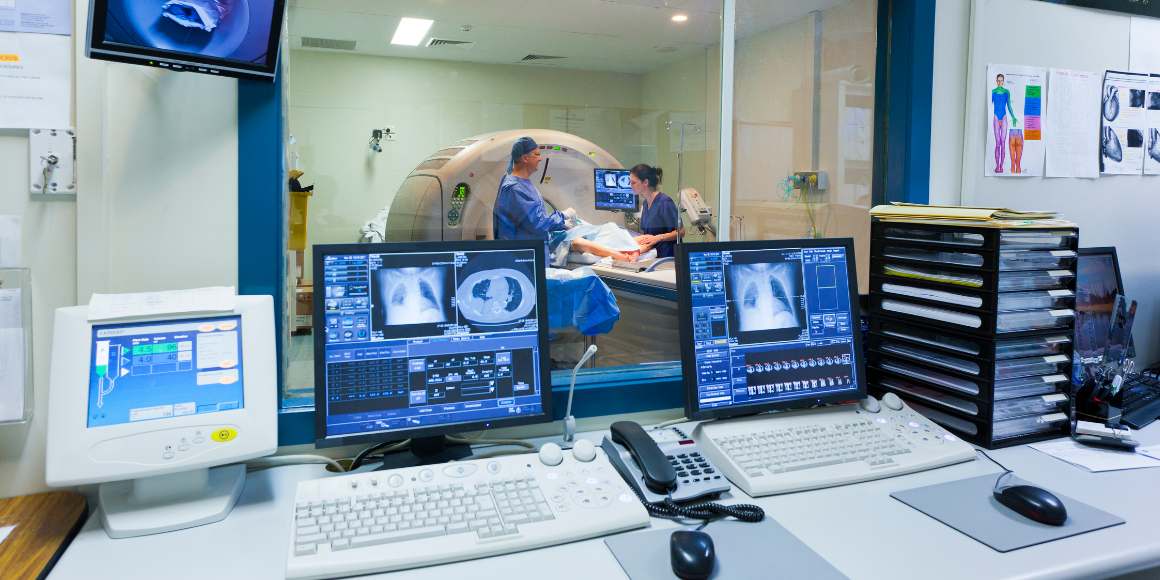
One of the most defining aspects of medical device design is the incredibly challenging regulatory landscape. Manufacturers must navigate different regulatory systems - the US FDA classifies devices into three risk classes (I-III), while the European Medical Device Regulation (MDR) utilizes four classes (I, IIa, IIb, III). While both systems are risk-based, they differ in the details of clinical evaluation, documentation requirements, and the approval process.
A key element is Design Control – a systematic set of procedures governing the design and development process. Design control encompasses a series of stages: design planning, defining design inputs, creating design output specifications, verification, validation, and transfer to production. Each of these stages must be carefully documented in the design history file – a comprehensive documentation documenting compliance with regulatory requirements.
ISO 13485, the international standard for quality management systems for medical devices, provides the foundation for manufacturing processes in the industry. Unlike the more general ISO 9001, ISO 13485 focuses on compliance with regulatory requirements and ensuring patient safety throughout the product lifecycle - from design, through production and distribution, to service and disposal.
Materials and biocompatibility
Selecting materials in medical device design is a process that requires extraordinary care. Biocompatibility - the ability of a material to function within the body without causing adverse immunological reactions, toxicity, or tissue damage - is an absolute requirement for products that come into contact with the human body.
Biocompatibility assessment is based on the ISO 10993 standard, which classifies medical devices by type and duration of contact with the body and then specifies the required tests. Typical tests include cytotoxicity, hemolysis, skin irritation, sensitization, and systemic toxicity. Popular biocompatible materials include titanium and its alloys, stainless steel, ceramics, and specialized medical polymers.
For long-term implantable devices, not only initial biocompatibility is crucial, but also biostability - resistance to degradation in the biological environment. At the same time, the field of biodegradable biomaterials is developing, which can be used in applications requiring temporary support of biological structures, such as biodegradable joints or scaffolds for tissue regeneration.
Artificial intelligence and digitization
The year 2025 is a turning point for the integration of artificial intelligence in medical devices. According to current data, The FDA has already approved approximately 1,250 medical devices using AI and machine learning (ML) – a number that has grown dramatically from August 2024, when there were about 950. A particularly significant increase occurred in 2023: in 2022, the FDA approved 91 AI devices, and in 2023 – 221 devices. In the first five months of 2025 alone, 148 new AI devices were approved, 78% of which (115 devices) were related to radiology. AI algorithms, especially convolutional neural networks and transformer architectures, are revolutionizing diagnostic imaging, cardiology, and continuous monitoring of vital signs.
The introduction of AI into medical devices presents new challenges for designers. The FDA has published updated guidelines for AI-enabled medical devices (including the December 2022 "Predetermined Change Control Plans" and the April 2023 "Marketing Submission Recommendations for a Predetermined Change Control Plan"), which establish design standards, validation protocols, and post-marketing surveillance requirements. Particular attention is paid to the stochastic nature of AI systems – unlike traditional software, machine learning models can behave unpredictably, requiring new approaches to risk management and cybersecurity.
.png)
The Internet of Medical Things (IoMT) and wearable devices are developing rapidly, enabling continuous monitoring of health parameters in the home environment. Designing medical wearables requires special attention to ergonomics – the devices must be lightweight, flexible, and comfortable for long-term wear. Flexible lithium-polymer batteries and printed electronics enable the creation of thin, flexible devices that conform to the body and do not restrict the user's movement.
Rapid prototyping and iterative development
Traditional medical device design methods were time-consuming and expensive. Today, rapid prototyping technologies - 3D printing, CNC machining, and rapid injection molding - allow for significantly shorter development cycles. According to industry research, the use of advanced technologies Rapid prototyping can reduce medical device development time by up to 40% or more. For example, LS Manufacturing documented a case where the systematic use of medical 3D printing and rapid molding allowed the total development cycle of a laparoscopic surgical instrument to be shortened from 18 to 12 months (a 33% reduction), bringing the product to market six months earlier.
3D printing (SLA, SLS, FDM) allows for the rapid creation of prototypes with complex geometries from materials such as medical-grade photopolymer resins, ABS, and PEEK. Functional prototypes enable early testing of form, fit, and function, allowing problems to be detected and corrected long before investing in expensive production tools.
In the clinical trial phase, where small batches of high-quality, consistent samples are needed, hybrid manufacturing strategies are used – rapid aluminum or mild steel molds combined with efficient injection molding processes deliver hundreds of clinical samples in weeks, at a fraction of the cost of traditional steel molds.
Sterilization and process control
Ensuring sterility is a critical aspect of the design of many medical devices. The choice of sterilization method must be considered early in the design process, as different methods impose different requirements on materials and construction.
Steam sterilization in an autoclave (121-134°C under pressure) remains the most popular method for surgical instruments, dressings, and materials resistant to high temperatures and humidity. For sensitive electronic and optical materials, ethylene oxide (EtO) gas sterilization at lower temperatures is used – this method accounts for approximately 50% of all medical device sterilization processes in the US. Modern plasma sterilization, using hydrogen peroxide (H₂O₂) and plasma at approximately 50-55°C, is ideal for delicate endoscopic and laparoscopic instruments. Radiation sterilization (using ionizing radiation) is used in the industrial sterilization of disposable medical devices in their final packaging.
Sustainable development and circular economy
The medtech industry faces growing pressure for sustainability. The healthcare sector accounts for 4-7% of global greenhouse gas emissions, and medical devices make up a significant portion of this footprint. According to WHO research, approximately 85% of medical waste consists of non-infectious materials - plastic packaging, single-use instruments, and diagnostic devices - that could be recycled or properly disposed of without special processing. Unfortunately, these materials are often improperly sorted and incinerated, increasing CO₂ emissions.
The circular economy is becoming a key paradigm for the future of the industry. Instead of a linear "make-use-dispose" model, the circular approach emphasizes reuse, refurbishment, and recycling. Ecodesign - designing for the entire product lifecycle - is becoming the starting point for a new generation of medical devices.
In practice, circular design can take many forms:
Refurbishing expensive imaging devices (MRI, ultrasound) extends their lifespan and reduces the need for new raw materials. For example, The refurbished Philips Azurion 7 C20 system reduces its carbon footprint by 28%, saving 25.67 tonnes of CO₂e by reusing 80% (2,457 kg) of the original material and reducing supply chain emissions by 60%.
Modular design makes it easier to repair and upgrade components, extending equipment life and reducing waste.
Choosing bio-based materials instead of petroleum-based plastics reduces the environmental footprint of disposable products.
Take-back systems and recycling programs close resource loops. A prime example is BD (Becton, Dickinson and Company) program, in partnership with Casella Waste Systems, recycled 40,000 pounds (approximately 18 tons) of disposable medical devices - primarily syringes and needles - into material suitable for new product manufacturing in the first half of 2023. The pilot demonstrated the technical feasibility of both mechanical and advanced recycling. The program was subsequently expanded regionally to additional medical facilities.
Summary
Designing medical devices in 2025 is a complex discipline requiring interdisciplinary collaboration between engineers, physicians, human factors experts, regulatory specialists, and designers. Key challenges include adhering to stringent safety and regulatory standards, integrating advanced technologies like AI and IoT while maintaining cybersecurity, user-centered design to ensure intuitiveness and minimize user error, and environmental responsibility and transitioning toward a circular economy.
For us as designers, working on medical devices is one of the most rewarding professional challenges – knowing that our designs can help improve health and even save lives motivates us to maintain the highest precision at every stage of the design process.
Editorial note: Article based on data from November 2024 – November 2025. Data on rapidly developing technologies (especially AI) are updated on an ongoing basis by regulatory agencies.


Schedule an initial talk and get to know us better! You already have a basic brief? Send it over so we can have a more productive first meeting!
a meeting
