
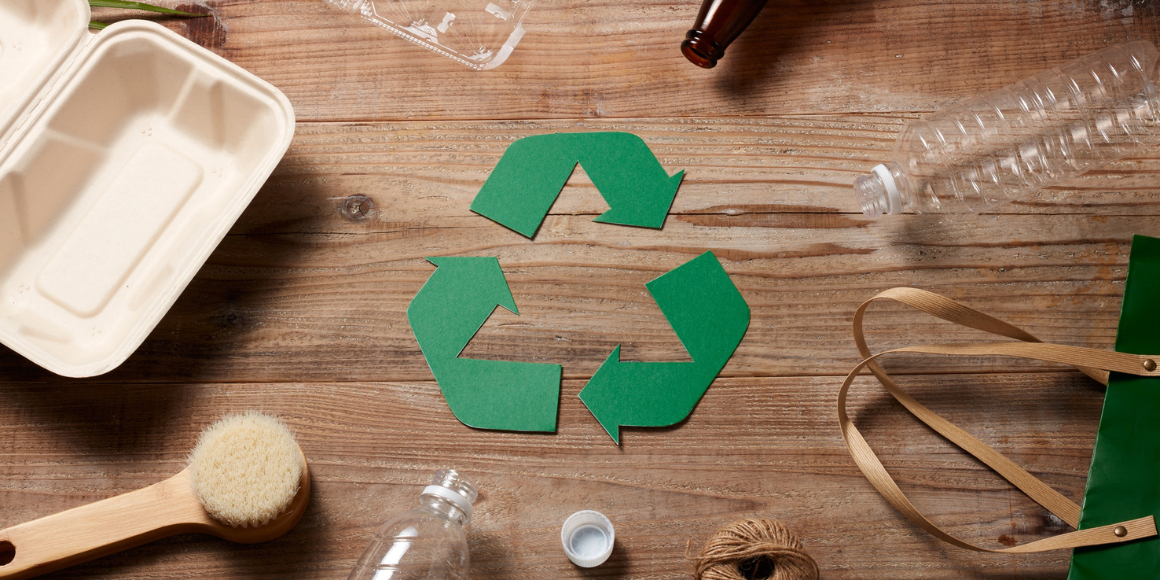
In boardrooms across industries, a quiet revolution is reshaping how companies view their waste streams. Global construction waste is projected to reach 2.2 billion tons annually by 2025, while the United States generated 548 million tons of construction and demolition debris in 2015 according to EPA estimates, with projections suggesting continued growth. As broader municipal solid waste generation hits 2.1 billion tonnes globally and heads toward 3.8 billion tonnes by 2050, forward-thinking manufacturers are discovering that discarded materials can become competitive advantages. Industrial upcycling—transforming waste into products of higher value and utility—has evolved from environmental initiative to strategic imperative.
Beyond Recycling: The Upcycling Advantage
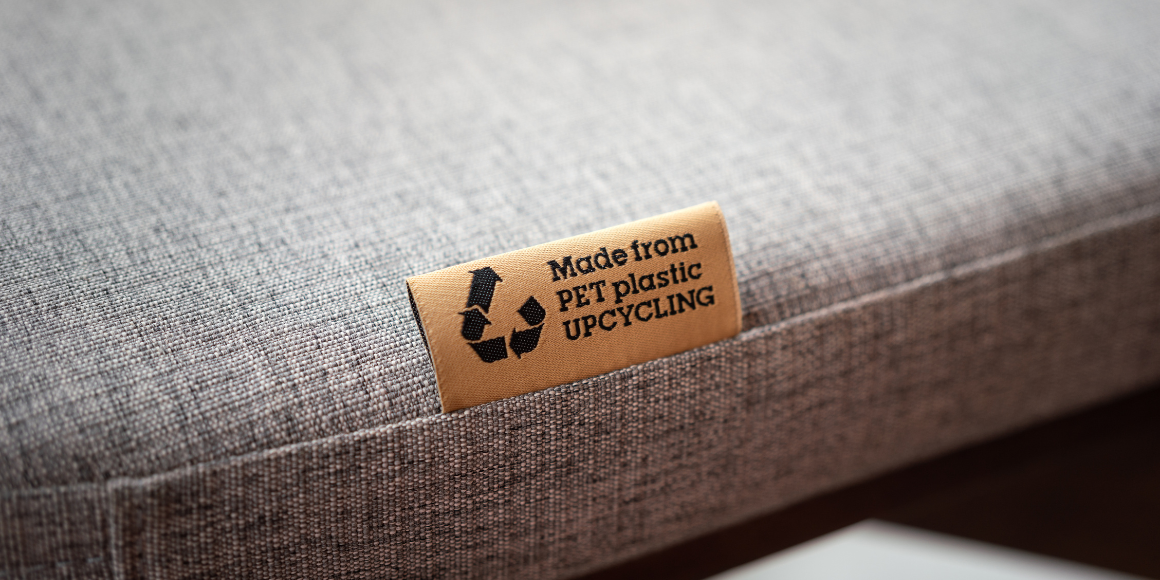
Traditional recycling breaks materials down to their base components, often resulting in quality degradation. Upcycling preserves material structure while adding functional or aesthetic value, creating immediate business advantages without energy-intensive processing. For a mid-sized manufacturer processing 1,000 tons of material annually, even modest recovery rates represent significant cost savings and revenue opportunities.
The Innovation Catalyst: Creativity Over Sustainability
According to Harvard Business Review research published in April 2024, analysis of consumer feedback revealed that customers value upcycled products primarily for their creativity rather than environmental benefits. This reframes the business case—successful strategies must prioritize design excellence and innovation, with sustainability as a secondary advantage.
This explains Adidas's remarkable success with ocean plastic shoes. The company scaled from 1 million pairs in 2017 to 15 million by 2020, with each pair reusing 11 plastic bottles. The product succeeds because it represents innovative material application delivering performance benefits, not merely sustainable credentials.
Industry Leaders Setting Standards
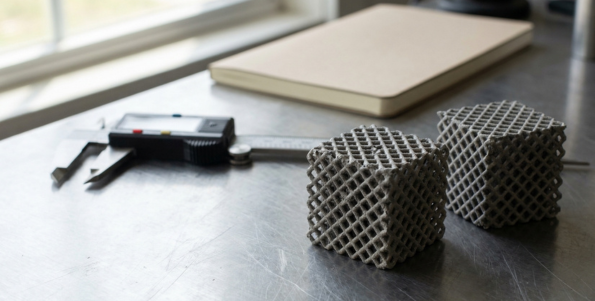
Advanced Materials: bioMATTERS company creates biodegradable products using MYCO-CLAY—3D-printed vessels combining mycelium, clay, and industrial waste. Their MYCO-ALGA tiling system demonstrates how biological materials can create entirely new product categories, representing some of the most recent innovations in the space.
Automotive: Michelin has established partnerships with specialized recyclers to convert used tires into rubber powder through liquid nitrogen pulverization processes. This recycled content contributes to Michelin's broader sustainable materials initiatives in tire production.
Emerging Technologies: Research into mycelium-clay composites (MyCera) by 3D WASP explores using biological materials as fiber reinforcement for 3D printed structures, opening possibilities for sustainable construction applications.
Strategic Implementation Framework
Waste Stream Analysis: Audit internal waste generation, identify high-volume, consistent waste types, and evaluate industrial partnerships for material access.
Design Methodology: The SCAMPER framework (Substitute, Combine, Adjust, Modify, Put to other uses, Eliminate, Reverse) provides structured approaches for material transformation, applicable from simple applications to complex industrial challenges.
Material Characterization: Test mechanical properties, assess contamination levels, and evaluate consistency across waste sources. Design teams need comprehensive data to leverage material strengths while accommodating limitations.
Cross-Functional Integration: Successful programs integrate procurement, engineering, manufacturing, quality control, and marketing teams from inception to prevent costly downstream problems.
Implementation Barriers and Solutions
Quality Consistency: Waste streams vary in composition and condition, requiring flexible design systems. Advanced sorting technologies and AI-powered material recognition enable real-time quality assessment and optimal material matching.
Supply Chain Redesign: Traditional procurement assumes standardized materials with predictable specifications. Upcycling demands supply chain flexibility and strategic partnerships with waste generators across industries.
Scale Economics: Small-batch projects achieve impressive margins, but industrial volumes require significant capital investment in processing and quality control systems. The Adidas example demonstrates potential for substantial scaling—though their 15 million ocean plastic shoes still represent only 3% of their 450 million annual production, showing both the opportunity and scale challenges inherent in industrial upcycling.
Technology Integration
IoT sensors enable real-time waste material quality monitoring, while 3D printing with recycled materials allows rapid prototyping and customization. Biomimicry integration offers pathways for efficient transformation methods and enhanced functionality.
New business models emerge around these capabilities: Product-as-a-Service offerings with upcycled components, circular design consulting, and waste-to-value platforms that monetize materials previously considered disposal costs.
Financial and Institutional Support
The European Investment Bank (EIB) supports the transition to a circular economy with three mutually reinforcing activities: finance, advisory support and awareness-raising.
From 2019 to 2023, the EIB provided EUR 3.83 billion to co-finance 132 circular economy projects in a variety of sectors.
Measuring Success
Effective programs require metrics beyond traditional sustainability indicators:
- Financial: Material acquisition cost reduction, new revenue streams from upcycled products, and improved margin contribution from transformed waste.
- Operational: Waste-to-landfill ratio reduction, supply chain flexibility improvements, and quality consistency across variable inputs.
- Strategic: Brand perception enhancement and market positioning around innovation leadership.
Building Your Strategy
Start with pilot projects testing assumptions while building internal expertise. Audit waste streams, experiment with small-scale transformations, and develop material characterization capabilities. Partner with local waste generators to understand available materials and build scalable supply relationships.
Design for continuous material circulation from project inception rather than treating end-of-life as an afterthought. Explore cross-industry opportunities that diversify material sources and potentially generate breakthrough innovations.
Critical success factors include deep understanding of material stream properties and application potential, plus building an ecosystem of partners supporting long-term development—from waste suppliers to testing laboratories.
The Strategic Imperative
Industrial upcycling represents a fundamental shift toward regenerative manufacturing systems. With accelerating global waste generation and increasing virgin material costs, companies developing sophisticated upcycling capabilities will gain significant competitive advantages.
Successful implementations from Adidas's ocean plastic initiatives to bioMATTERS' innovative material composites demonstrate that the technology and market readiness for industrial-scale upcycling has arrived. Companies recognizing upcycling as a design opportunity rather than environmental obligation will transform both their product portfolios and market positions.



Schedule an initial talk and get to know us better! You already have a basic brief? Send it over so we can have a more productive first meeting!
a meeting
